1. Product Name
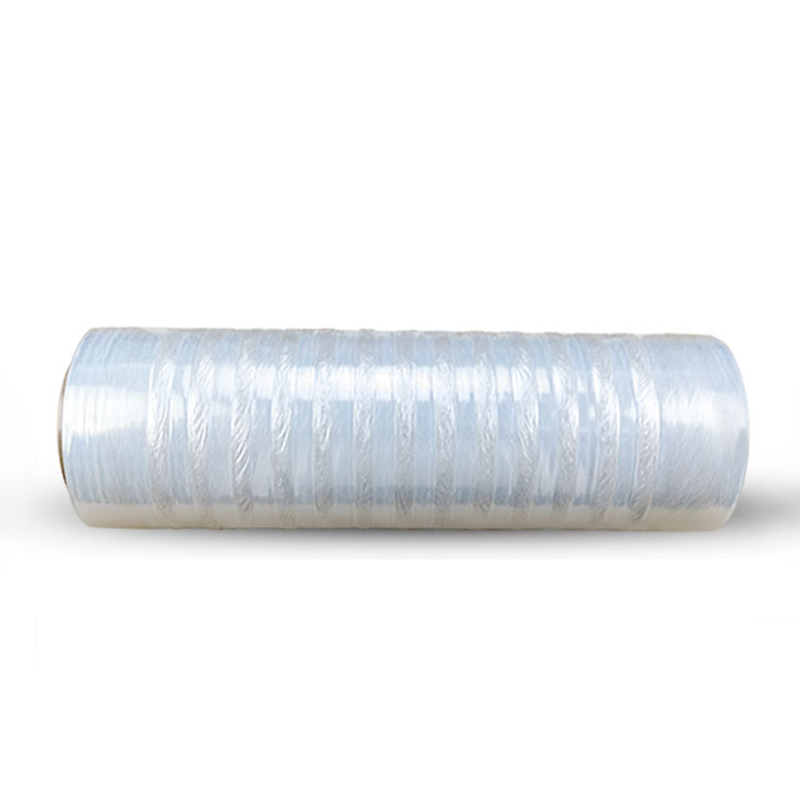
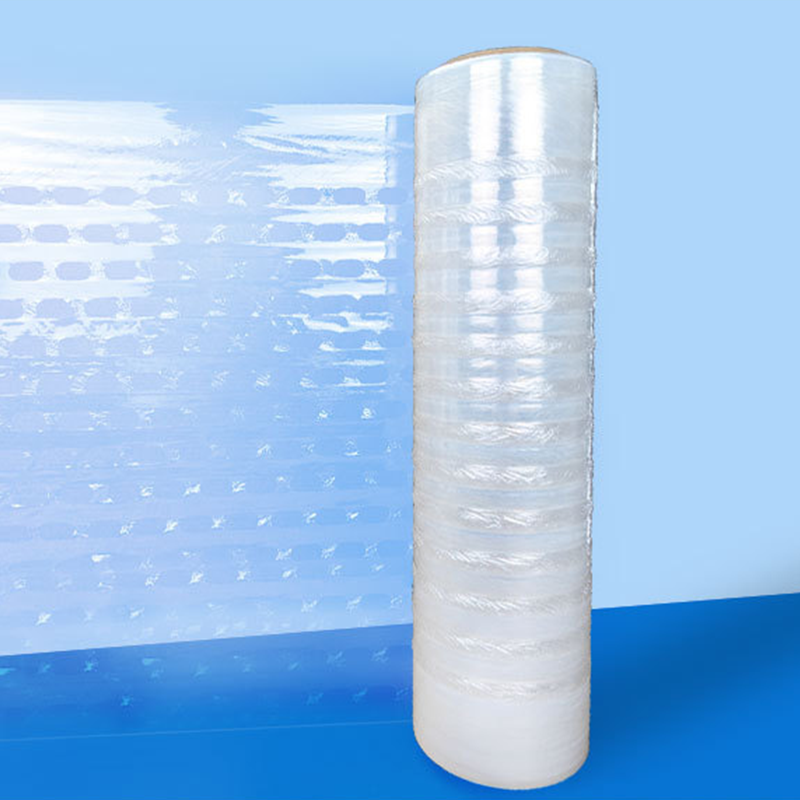
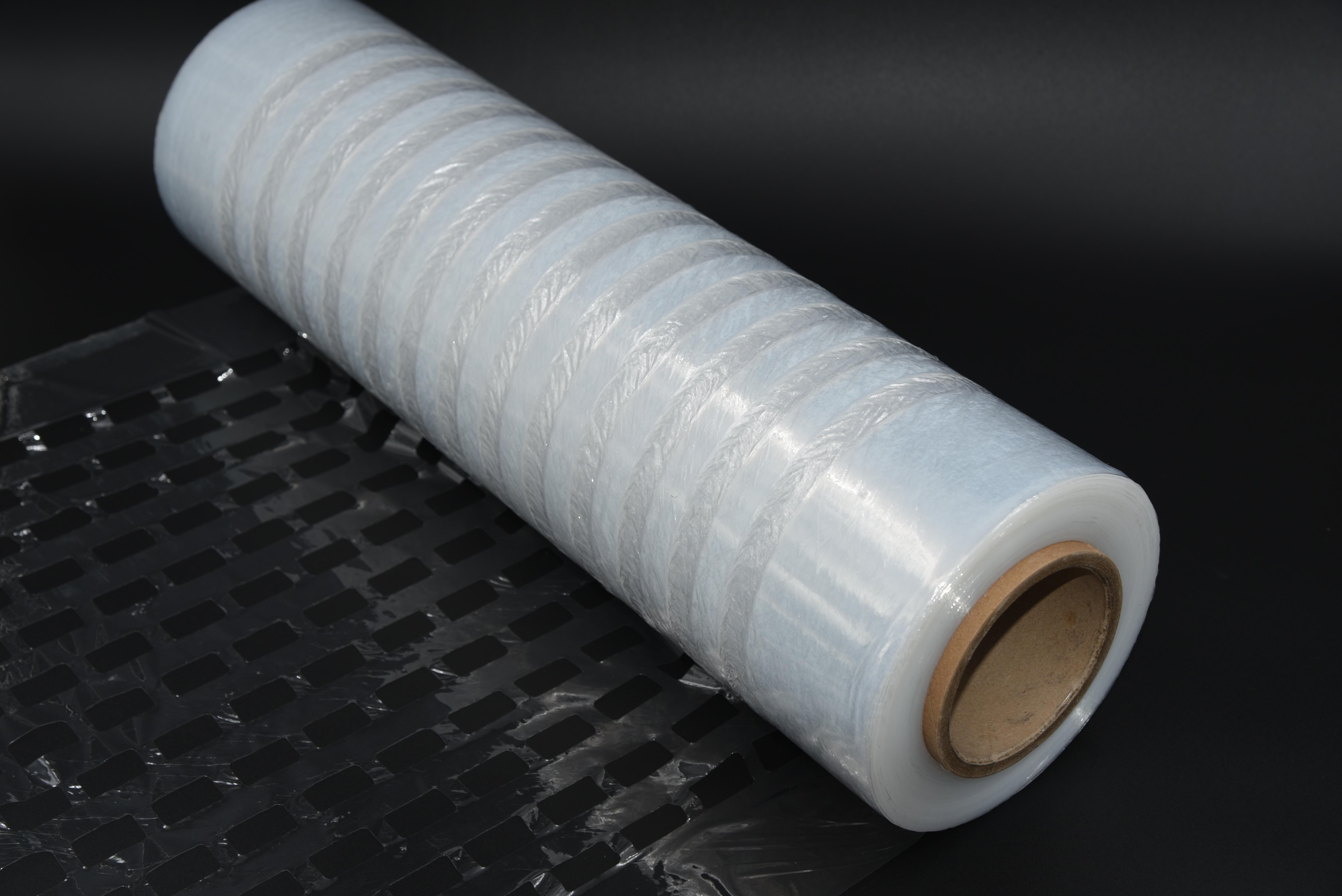
Breathable Stretch Film – The Smart Solution for Fresh Produce Packaging
(Optional Subtitle: Controlled Oxygen Transmission | High Clarity & Puncture Resistance | Prevents Condensation & Spoilage | Ideal for Fruits & Vegetables)
2. Key Product Highlights (Bullet Points)
-
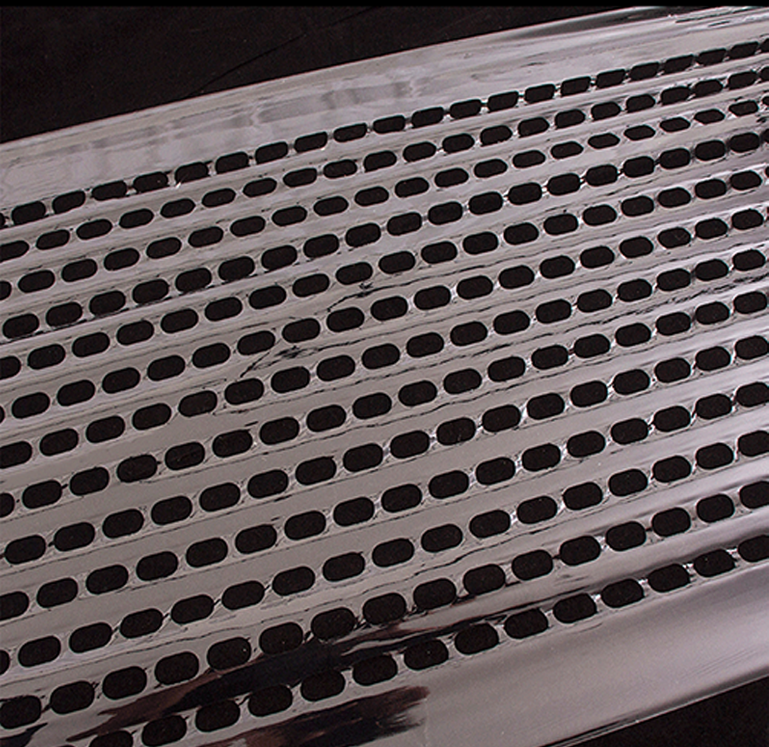
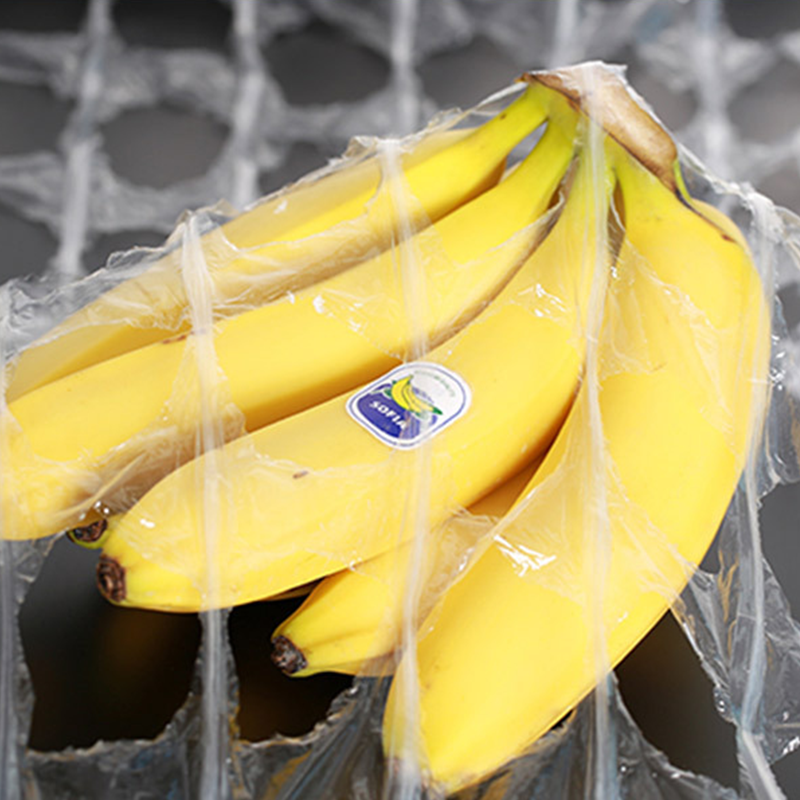
Controlled Respiration: Engineered with specific permeability rates to allow Oxygen ( O2 ) and Carbon Dioxide ( CO2 ) exchange, allowing fresh produce to "breathe" and preventing anaerobic fermentation.
-
Condensation Control: The breathable structure minimizes water vapor buildup inside the package, preventing "fogging" and liquid accumulation that leads to mold and rot.
-
High Clarity & Gloss: Despite being breathable, the film maintains excellent transparency, ensuring your fresh products look vibrant and appetizing on retail shelves.
-
Superior Puncture Resistance: Made from high-grade Polyethylene (PE) blends, offering strong protection against sharp vegetable stems and rough handling during transport.
-
Machine & Hand Compatible: Available in formulations suitable for both automated rotary wrappers and manual pallet wrapping, offering flexibility for your packing line.
3. Technical Specifications Table
| Specification |
Standard Breathable Film |
High-Flow Breathable Film |
| Material |
Metallocene Polyethylene (mPE) |
Modified Polyethylene Blend |
| Width |
500mm (50cm) |
500mm (50cm) |
| Thickness (Gauge) |
17 - 23 Microns |
20 - 25 Microns |
| Roll Length |
1,500m - 1,800m |
1,200m - 1,500m |
| Oxygen Transmission |
Moderate (For mixed produce) |
High (For high-respiration crops) |
| Water Vapor Transmission |
Breathable (Anti-Fog) |
High (Anti-Mist) |
| Core Size |
76mm (3") |
76mm (3") |
| Transparency |
High (Clear) |
High (Clear) |
| Application |
Machine (Pre-stretch) |
Machine / Heavy Duty |
| Shelf Life Extension |
3 - 5 Days |
5 - 7 Days |
4. Detailed Product Description
Overview
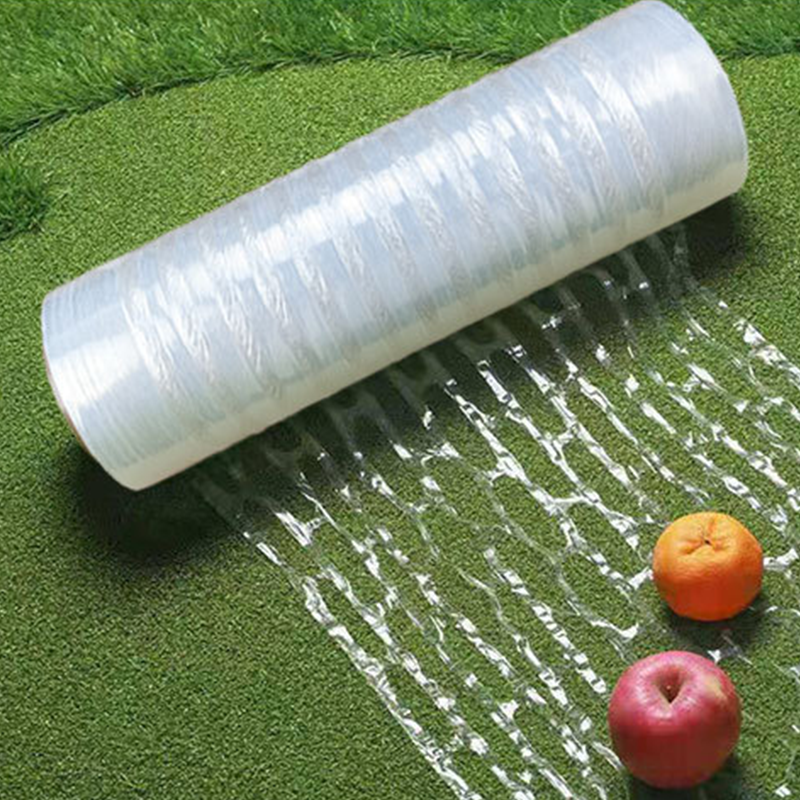
Keep your harvest fresh with our Breathable Stretch Film. Unlike standard barrier films that create an airtight seal, our breathable film is scientifically designed to manage the respiration rate of fresh produce. By allowing a controlled amount of air exchange, it mimics the natural environment of the crop, significantly extending shelf life and maintaining crispness. This film is the essential choice for logistics and storage of fresh fruits and vegetables, solving the common problem of "sweating" pallets that lead to spoilage.
Why Choose Our Breathable Stretch Film?
-
Reduced Spoilage: By preventing the buildup of ethylene gas and excess moisture, the film drastically reduces the risk of bacterial growth and rotting during long-haul transport.
-
Visual Appeal: The anti-fog properties ensure the film remains clear, so distributors and retailers can easily inspect the quality of the produce without removing the wrap.
-
Load Stability: While it allows air to pass, the film still provides excellent tensile strength and cling, keeping the pallet unitized and secure against shifting.
-
Versatility: Suitable for a wide range of crops, from leafy greens that require high oxygen to root vegetables that need moisture control.
-
Cost-Effective: Reduces financial losses associated with spoiled goods. One pallet of spoiled produce costs far more than the price difference of the film.
Performance Metrics
-
Gas Permeability: Optimized O2 and CO2 transmission rates to match the respiration curve of fresh produce.
-
Puncture Resistance: High resistance to piercing by sharp stems (e.g., asparagus, broccoli).
-
Elongation: > 300% (excellent for pre-stretch machines).
5. Application Scenarios
-
Fresh Produce Pallets: The primary application. Wrapping pallets of bagged potatoes, onions, carrots, and apples for storage and transport.
-
Leafy Greens & Brassicas: Ideal for broccoli, cauliflower, and lettuce, which have high respiration rates and are prone to "sweating" and yellowing.
-
Beverage Pallets: Sometimes used for glass bottles to allow airflow and prevent condensation buildup that can damage cardboard trays.
-
Floral Transport: Protecting bouquets and potted plants during shipping while allowing them to breathe.
-
Cold Storage: Essential for goods stored in refrigerated warehouses where temperature fluctuations can cause condensation on non-breathable films.
6. Selection Guide: Choosing the Right Breathability
-
Respiration Rate:
-
Low Respiration (Root Vegetables): Standard breathable film is usually sufficient to prevent sweating.
-
High Respiration (Leafy Greens/Berries): High-Flow breathable film is recommended to ensure enough oxygen reaches the product to prevent suffocation.
-
Environment:
-
Refrigerated Transport: Breathable film is critical here to prevent fogging caused by the temperature difference between the cold air and the product.
-
Ambient Transport: Breathability helps prevent heat buildup inside the pallet.
-
Machine Settings: Breathable film may require slightly different brake tension settings than standard barrier film. We recommend testing on a few pallets before full-scale rollout.
7. Frequently Asked Questions (FAQ)
Q: How is breathable film different from regular stretch film?
A: Regular stretch film is designed to be an airtight barrier to hold loads together. Breathable film has a modified molecular structure that allows gases (Oxygen and Carbon Dioxide) and moisture to pass through, preventing the produce from suffocating or sweating.
Q: Can I use this film for meat or seafood?
A: No. Meat and seafood generally require Barrier Film (low oxygen transmission) to prevent oxidation and bacterial growth. Breathable film is specifically for living produce (fruits and vegetables).
Q: Will the film let water in if it rains?
A: The film is still water-resistant. It allows water vapor (humidity) to escape but will protect the pallet from light splashes. However, it is not designed for heavy rain exposure like a tarp.
Q: Does it work with pre-stretch machines?
A: Yes, our breathable film is designed to be stretched. However, because the breathability is partly achieved through the film's structure, over-stretching beyond the manufacturer's recommendation might affect the breathability rate.